Deciding to remove a tree is never easy, but at Lightning Tree Service LLC, we prioritize the safety of your family and your structures above all else. In Oregon, trees grow tall and heavy, and while they provide beauty and shade, they can quickly become hazardous liabilities if they are diseased or structurally compromised. Recognizing the warning signs early can save you thousands of dollars in emergency repairs and insurance deductibles.
1. Root Plate Heaving and Fungal Growth
The most dangerous signs are often at the base of the tree. If you notice the soil lifting on one side of the tree, or if there are "conks" (shelf-like mushrooms) growing near the root flare, this is a clear indication of internal root rot. The roots are the anchors of the tree; if they are decaying, the tree is essentially a giant pillar waiting for the right gust of wind to fall. Unlike branch issues, root rot cannot be "cured," and removal is typically the only safe option.
2. Hollow Trunks and Vertical Cracks
A tree can appear green and healthy on the outside while being completely hollow on the inside. Large vertical cracks that reach deep into the wood indicate that the tree's structural cylinder is failing. We use specialized assessment techniques to determine if the "shell" of the tree is thick enough to support its weight. If more than 30% of the trunk is hollow or decayed, the tree is high-risk.
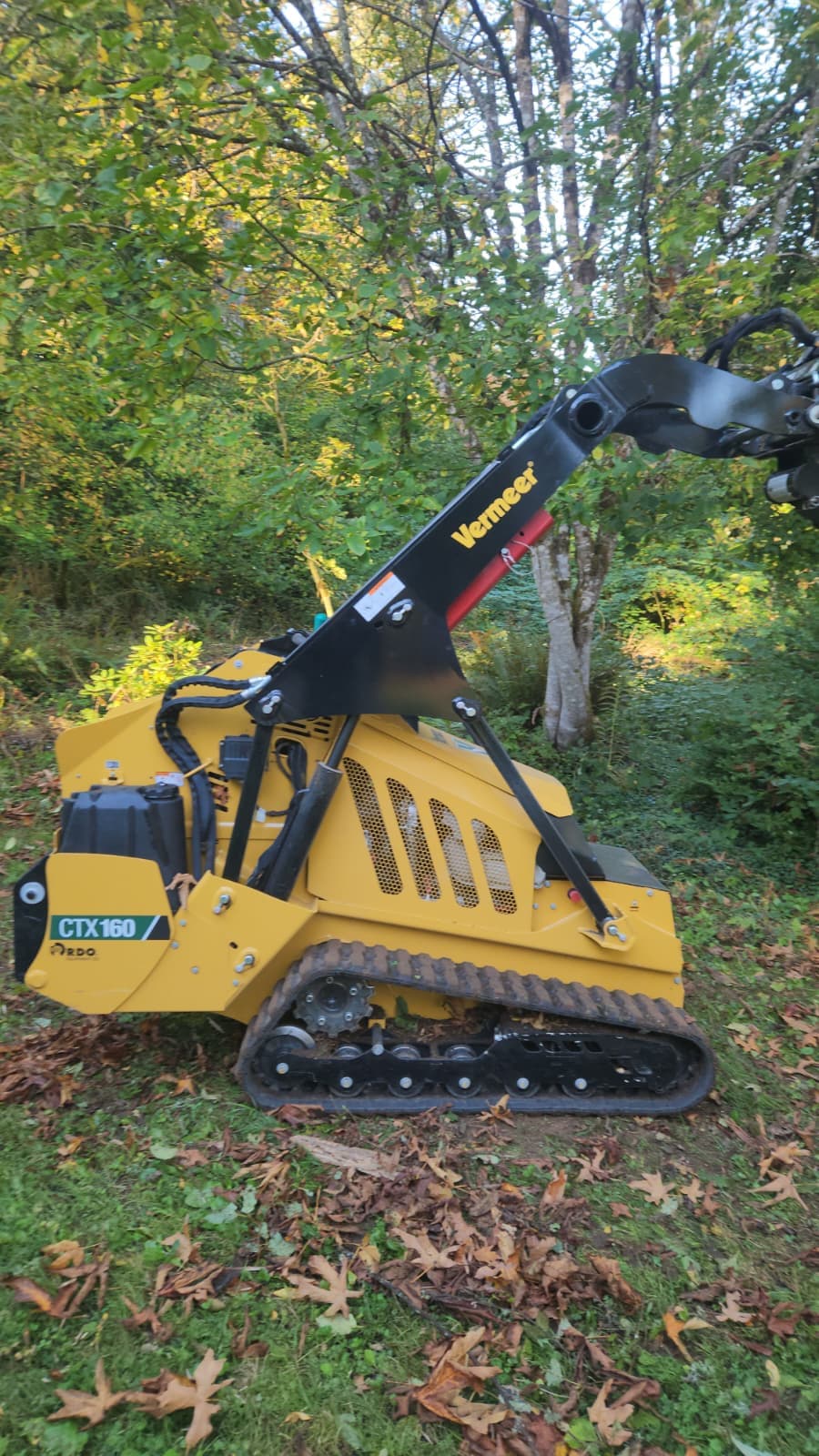
Safe removal involves using advanced rigging to lower sections piece by piece, ensuring that even as the tree is dismantled, your roof and power lines remain untouched by the heavy timber. Our crews are trained in high-angle removals and crane-assisted extractions for those extra-large Douglas Firs that lean dangerously over structures. We don't just cut and drop; we manage the energy of the falling wood to ensure a zero-impact removal every single time.